
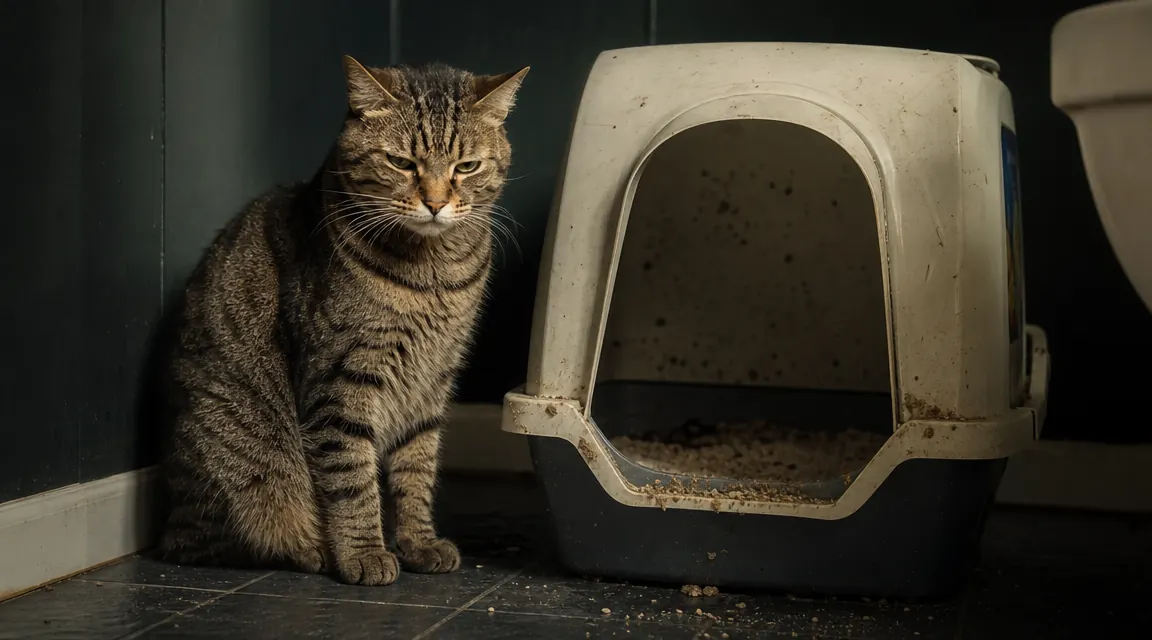
I made most of these mistakes with my cat Pepper during the first two years I owned her. She is a six-year-old tortoiseshell with strong opinions about everything, and her opinions about litter boxes are the loudest. If she disliked the setup, she found somewhere else to go, which is how I discovered the hard way that cats are not being difficult when they reject a litter box. They are usually responding to something fixable that you have not noticed yet.
After a lot of trial and error, the biggest single improvement I made was switching to the Arm & Hammer Large Sifting Litter Box with Microban. No motor, no subscription, no lid that traps smell inside. Just a three-tray sifting system that takes 30 seconds to clean and the Microban coating that actually slows bacterial odor between scoops. Below are the 10 mistakes I see repeated constantly, including every one I made myself.
Still dealing with litter box smell no matter how often you scoop?
The Arm & Hammer Large Sifting Litter Box with Microban uses a three-tray sifting system and an antimicrobial coating to cut odor at the source, not just mask it. Rated 4.4 stars across more than 54,000 Amazon reviews.
Amazon Check Today's Price on Amazon →Using a box that is too small
The rule most vets cite is that the box should be 1.5 times the length of your cat from nose to base of tail. Most standard boxes sold at grocery stores fail that test for any cat over eight pounds. When a cat cannot turn around comfortably, she steps in waste, tracks it out, and often chooses the floor instead. The Arm & Hammer sifting box is built large by design, which is part of why Pepper stopped going outside it.
Amazon See the Arm & Hammer Large Sifting Litter Box on Amazon → →
Putting too much litter in the box
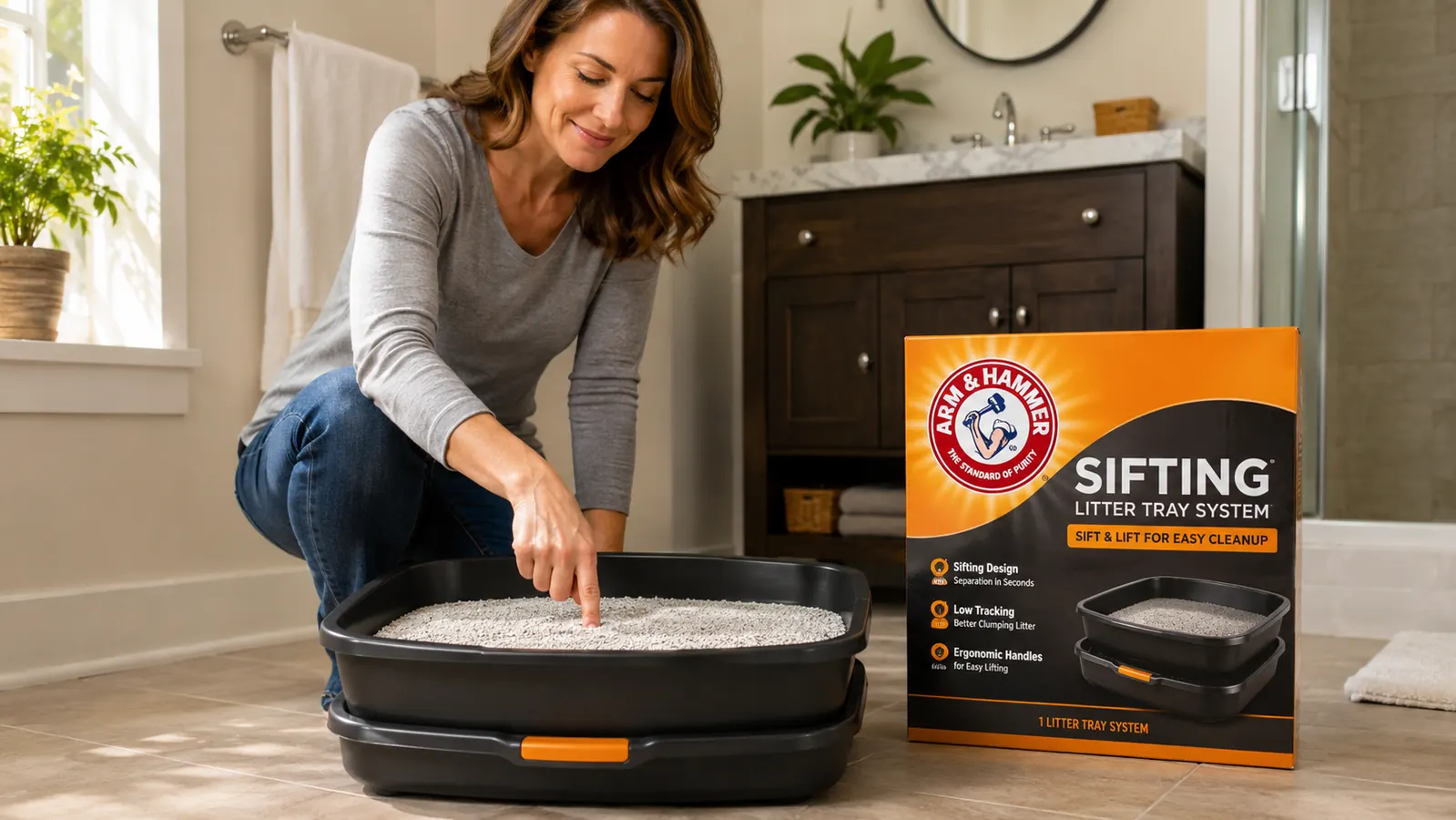
More is not better. Two inches of clumping litter is the sweet spot. Go deeper than three inches and cats start digging to China, scattering litter across the floor on every visit. It also makes sifting harder because clumps sink to the bottom instead of staying near the surface where the sifting tray can grab them.
Not scooping every day
Cats have a sense of smell that is roughly 14 times stronger than ours. A box you find tolerable after two days feels overwhelming to them. Odor aside, a dirty box is one of the top behavioral triggers for litter box avoidance. The sifting design on the Arm & Hammer box makes daily cleaning fast enough that there is no real excuse to skip it. You lift, sift, and you are done in under a minute.
Using a hooded litter box
This is the one I see everywhere, and it is the mistake I held onto the longest because hooded boxes look neater. The problem is that the hood traps ammonia smell inside, which makes conditions inside the box far worse than they feel from outside. Many cats refuse to enter a hooded box entirely, especially older cats or cats with any respiratory sensitivity. Open top boxes ventilate naturally. The Arm & Hammer sifting tray is open by design, and Pepper has never once refused to use it.
Amazon See the Open-Top Arm & Hammer Sifting Box on Amazon → →
Only having one litter box for two cats
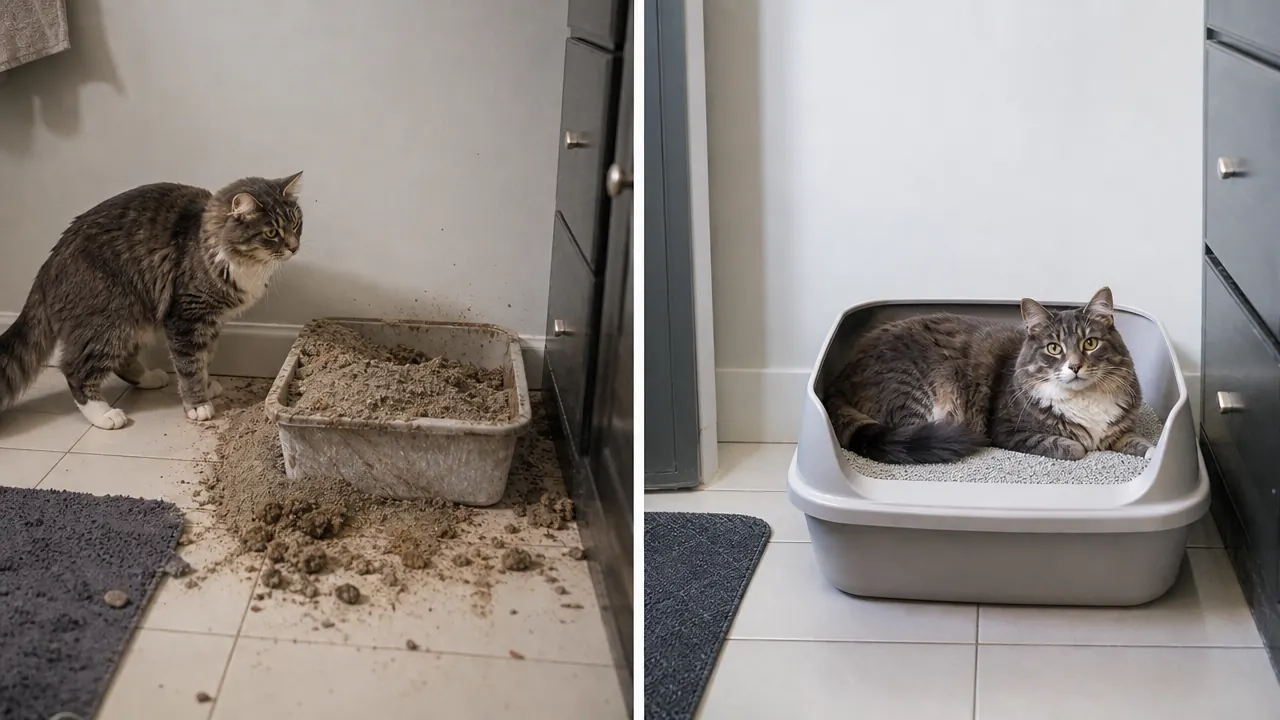
The standard recommendation is one box per cat, plus one extra. So two cats need three boxes. Cats can be territorial about resources, and a second cat using the same box before it is scooped is a common trigger for one cat to start eliminating elsewhere. If space is tight, at minimum have one box per floor of your home.
Amazon Check the Arm & Hammer Sifting Litter Box on Amazon → →
Placing the box next to food or water
Cats instinctively avoid eliminating near their food source. If the box is in the same corner as the food bowl, do not be surprised when they start looking for another spot. Keep food and litter on opposite sides of the room at a minimum, and different rooms if you can manage it.
Using heavily scented litter
The lavender and citrus litters that smell pleasant in the store are often the ones cats refuse to use. Artificial fragrances irritate sensitive noses and some cats associate unfamiliar chemical smells with danger. Unscented clumping litter paired with a box that controls bacteria at the surface, the way the Microban coating does on the Arm & Hammer tray, handles odor without adding fragrance the cat has to tolerate.
Replacing litter without cleaning the box first
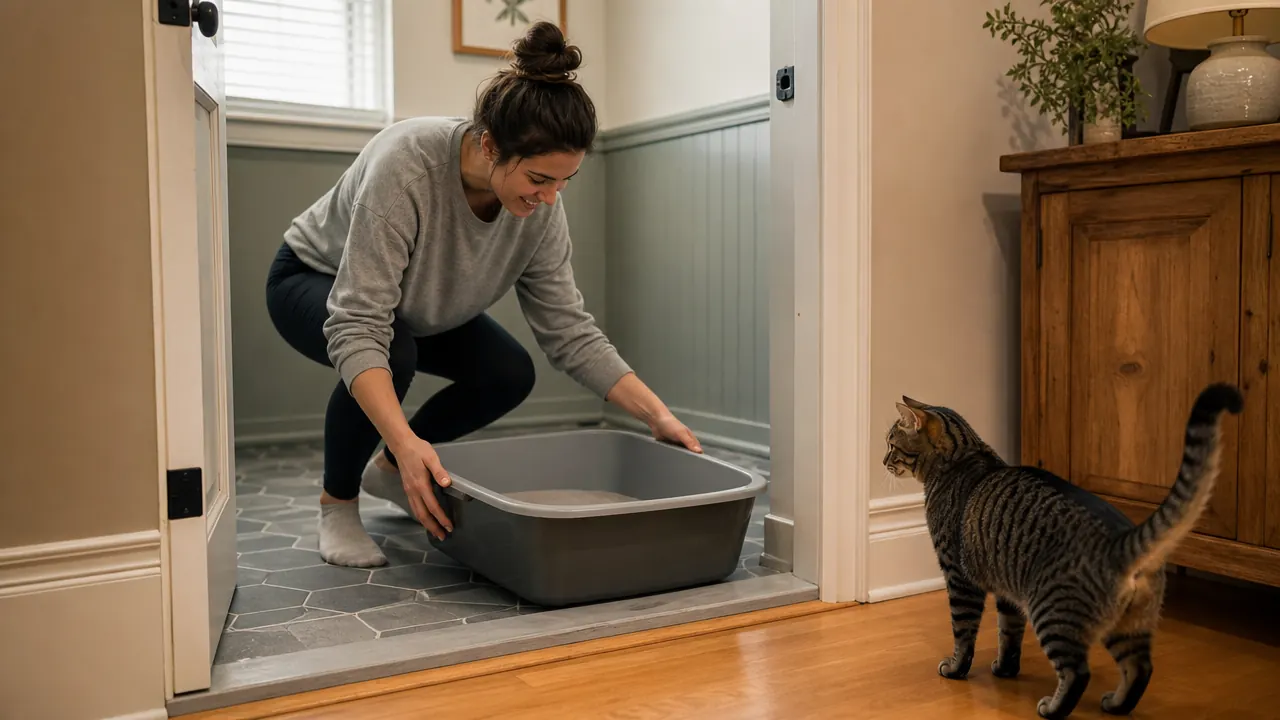
Dumping fresh litter on top of a box that has not been washed in weeks just layers clean litter over bacteria-soaked plastic. The Microban coating on the Arm & Hammer box slows bacterial growth between washes, but it does not replace washing. Once a month, give the whole tray a wash with mild dish soap and warm water. Let it dry fully before adding fresh litter.
Amazon See the Arm & Hammer Sifting Litter Box on Amazon → →
Putting the box somewhere with no privacy and high foot traffic
Cats prefer to eliminate in quiet, low-traffic spots where they can see the entrance. A litter box in the middle of a busy hallway or next to the washer and dryer that runs every morning is a stress trigger. Give the box a corner position with an unobstructed sightline. Cats that feel trapped or startled mid-use will start avoiding the box entirely.
Waiting too long to replace the box itself
Plastic scratches over time, and those micro-scratches harbor bacteria that washing cannot reach. A litter box that smells even when clean is usually a box that needs to be replaced. Most vets suggest replacing plastic boxes every one to two years. The Microban coating on the Arm & Hammer sifting tray helps extend that window by resisting bacterial buildup in the surface, but no box lasts forever.
Amazon See the Arm & Hammer Large Sifting Litter Box on Amazon → →
What I'd Skip
Automatic self-cleaning litter boxes. I know they look like the obvious solution, but every owner I know who bought one eventually went back to manual. The motors break, the sensors misfire, and the noise scares cats who were perfectly happy using the box before. The moving parts require more cleaning than the marketing suggests, and the replacement cartridges add up fast. A sifting tray you actually use every day beats a motorized box you are constantly troubleshooting. If you want to go deeper on odor control without gadgets, my guide on controlling cat litter box odor covers the full routine I use.
Pepper went from avoiding her box three times a week to using it every single time. The only thing I changed was the box itself, the hooded one went in the trash, and I switched to the Arm & Hammer sifting tray. That was eighteen months ago and I have not had a single accident since.
Fix the most common litter problem with one box change
The Arm & Hammer Large Sifting Litter Box with Microban is open-top, large enough for any adult cat, and the three-tray sifting system makes daily cleaning genuinely fast. If you want a deeper look at how it holds up over time, read my full <a href="/arm-hammer-sifting-litter-box-review">Arm & Hammer sifting litter box review</a>.
Amazon Check Today's Price on Amazon →